
Dalseth Family & Cosmetic Dentistry

Apple Valley, MN Dentist

My Account

(952) 432-1101

  • Meet the Staff
    • Dr. Stephen Dalseth (Retired)
    • Meet Dr. Pascal Dalseth
    • Meet Dr. Kayla Blanek
    • Meet Dr. Jeffrey J. Mathiason
    • Meet Dr. Sara Michel
    • What Sets Us Apart?
    • Community Involvement
  • New Patients
    • Dental FAQ
    • Office Visits
    • Office Tour
    • Financial Information
    • No Insurance, No Problem
    • Patient Forms
    • Cancellation Policy
    • Testimonials
    • Blog
  • General Dentistry
    • Preventive Care
    • Fluoride
    • Periodontal Disease
    • Dentistry for Kids
    • Extractions
    • Fillings
    • Root Canals
    • Digital X-rays
    • Emergency Dental Care
  • Contact Us
    • Office Location
    • Schedule an Appointment
  • Restoration
    • Implants
    • Crowns
    • Bridges
  • Smile Enhancements
    • About Orthodontics
    • Cosmetic Dentistry
    • Cosmetic Dentistry FAQ
    • Invisalign®
You are here: Home / Archives for Dalseth Family Dentistry

Why Visiting the Emergency Room for Your Dental Problem isn’t a Good Idea

July 19, 2013 by Dalseth Family Dentistry

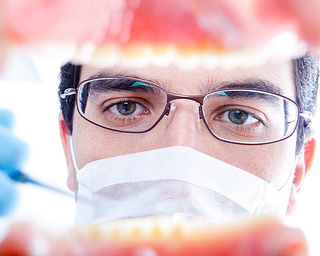
Emergency rooms are for emergencies, so before you head to the hospital because of a dental problem, you need to ask yourself this question: Is what you’re experiencing really a medical emergency? While emergency room visits for dental related issues are on the rise across the United States , they’re not necessarily the best solution for every problem. Many people don’t know about emergency dental care services, many of which are available 24/7, and so they go to the ER.

These types of statistics are common across the country. However, despite the numbers, not all dental problems are created equal. If you’ve experienced some type of injury to your mouth, jaw, or face, then an ER visit is a good idea, but if you’re suffering from a toothache, cavity, or broken crown or veneer, then the ER is not the best place to handle the situation. If you’re having a dental emergency, then seeking emergency dental care should be your course of action.

Seeking Long-Term Solutions

The ER doesn’t provide a long-term solution to your dental issue; it only gives you temporary relief. There’s a chance they will simply hand you a prescription for pain medication and tell you to call your dentist in the morning. In the end, you’re going to be saddled with two medical bills, and nobody wants that. Even if the ER outfits you with a temporary crown or filling, you’re still going to have to make a follow-up appointment our office.

There are numerous homemade remedies that can sooth tooth and gum pain. However, if you’re experiencing a dental emergency, the ER is not the place to go. The specialized emergency team at Dalseth Family & Cosmetic Dentistry is available to take care of every dental problem you may have. In the case of a dental emergency, don’t wait any longer than necessary. Feel free to contact our Apple Valley, MN office at any time, day or night.

Filed Under: About Our Office

What are Dental Implants?

July 12, 2013 by Dalseth Family Dentistry

Do you have a space where a tooth used to be? Were you born with a missing tooth? Are you getting ready for dentures? You may be a good candidate for a dental implant. Metal dental implants were invented in 1965. Technology continues to advance with nearly 800,000 implants placed last year in the United States. Placing implants has become mainstream and a common practice for offices like ours.

A dental implant is a small titanium post, which resembles a screw with threads. The post also has holes for bone to integrate. A dental implant is placed into the jawbone during a short dental procedure. It is relatively painless with very little post-operative pain. The threads on the implant post allow for the bone to fill in and integrate. To facilitate this process the implant is re-covered with gum tissue and allowed to heal and integrate for nearly three months. The implant acts as the root for the tooth to provide solid and stable support for the crown that’s yet to be placed.

The next step in the dental procedure is to uncover the implant and place a healing cap to allow the gum tissue to heal. After a short period of healing, an impression is taken to fabricate a crown to fully restore the missing tooth. The crown is then cemented on top of the post, at which point you can resume normal eating activities.

Dental implants do require some special care, but that is easily managed when you follow the directions outlined by Dr. Stephen Dalseth, Dr. Pascal Dalseth, Dr. Todd Weber and Dr. Sara Michel. During your regularly scheduled cleaning, special instruments are used to clean implants. While a dental implant cannot get a cavity, a condition known as peri-implantitis can occur. This is very similar to periodontal disease as the end result is dental implant loss and loss of bone structure. Be sure to floss the dental implant daily and run the floss under the implant crown as far as it can go to remove food and plaque. If you use any picks or small brushes to go in between your teeth, make sure they are plastic. Metal will scratch the implant making it more susceptible to infection. Be sure to keep your regular dental visits and cleanings to monitor the implant and help preserve your investment.

Filed Under: About Our Office

Tell us about your summer!

July 5, 2013 by Dalseth Family Dentistry

The dog days of summer are upon us, and what better time for Dr. Stephen Dalseth, Dr. Pascal Dalseth, Dr. Todd Weber and Dr. Sara Michel and our team to ask our patients about their summer!

Whether you visited our nation’s capital, went on a camping trip or just stayed in Apple Valley, MN and relaxed, we want to know how you’re all spending your summer! Please feel free to share your summer plans and experiences with us below or on our Facebook page as summer rolls on!

Filed Under: About Our Office

Happy Fourth of July!

July 2, 2013 by Dalseth Family Dentistry

Happy Independence Day from Dr. Stephen Dalseth, Dr. Pascal Dalseth, Dr. Todd Weber and Dr. Sara Michel and team! The Fourth of July celebrations in America may have changed a lot over the years, but there is no doubt that we Americans love to celebrate the anniversary of our country’s independence! Today we’re devoting the Dalseth Family & Cosmetic Dentistry! blog to some fun facts about the Fourth!

  • My, how we have grown! This year the United States Census Bureau estimates that our country has 313.9 million residents celebrating the Fourth of July this year, but back in 1776 there were just 2.5 million members of the country.
  • Our country loves to show how proud that we are of our independence. Did you know that there are 31 United States places with the word “Liberty” in their names? The state of Iowa actually has four towns with the word Liberty in the name: Libertyville, New Liberty, North Liberty, and West Liberty.
  • The United States loves Fourth of July food! It is expected that around 150 million hot dogs are eaten on the Fourth each year. One of the Fourth’s most popular sides, potato salad, goes just perfectly with the hotdogs and hamburgers that are standard Fourth of July fare. Some people choose potato chips instead, but we wouldn’t have such a plethora of potatoes if not for the prodigious production of the states of Idaho and Washington — they provide about half of all the potatoes in the United States today!
  • Americans love celebrating the Fourth outdoors: About 74 million Americans fire up their BBQ grill every Fourth of July.
  • The Chinese contribution: Did you know that Americans have spent more than $211 million on fireworks that were imported from China?

No matter how your family chooses to celebrate the Fourth, stay safe, take precautions, and don’t forget to brush after your fabulous Fourth feast!

Filed Under: About Our Office

Three Must-Have Dental Treatments

June 21, 2013 by Dalseth Family Dentistry

In dentistry, there are a wide variety of treatments, everything from elective procedures to those that are necessary and potentially lifesaving. So given the slew of treatment options, how do you choose what’s right for you? Our experts at Dalseth Family & Cosmetic Dentistry have handpicked the three must-have procedures that we believe can benefit nearly every patient.

The first: A complete periodontal exam. If you are going to the dentist for scheduled cleanings, this exam should happen at least once a year. A periodontal exam is quick and relatively painless. The dentist or hygienist will carefully probe around each tooth to take measurements that show the health of the bone and its supporting tissue, all while looking for signs of any active infection. It has been suggested that there is a link between periodontal (gum) disease and the increased risk of some potentially fatal diseases such as heart disease, stroke, and diabetes. Signs of some diseases show up in the mouth sometimes before the patient is aware of changes in the body. Diabetes is one of these silent diseases. Many Americans are unaware that they have the disease until sudden and severe changes in the periodontal health of the teeth lead to a trip to the patient’s physician. And did you know that more adults lose teeth to periodontal disease than to cavities? A simple screening once a year can lead to saving your teeth.

The second treatment our team at Dalseth Family & Cosmetic Dentistry recommends is a dental sealant; it’s not just for kids! Dental sealants provide a protective barrier from bacteria deep in the pits and grooves of the teeth where cavities often start. Sealants placed in childhood will often wear away in adulthood. Replacing a sealant as an adult can also help prevent decay in adulthood. This is a great cost-effective procedure for adults. Dental insurance will likely not cover sealants as an adult, but the cost of a sealant for prevention versus the cost of a filling is much less.

Our third must-have dental treatment is often the most fun: in-office whitening. Who doesn’t want an instantly dazzling smile? In-office whitening is one of the most dramatic and quick ways to brighten a smile. It will take a few years off your age in a two-hour period of time. Whitening is very safe and can give a patient newfound confidence to smile.

Filed Under: About Our Office

Good Dental Hygiene Impacts Overall General Health

June 14, 2013 by Dalseth Family Dentistry

There are many ways in which your oral health has an impact on your overall general health. There are naturally occurring bacteria in the mouth. Some of those bacteria, including strep and staph, are harmful, while other bacteria are essential for the balance of intestinal flora. The healthier your mouth is, the less likely it is the harmful bacteria will travel to other parts of your body to infect it and make you sick. There is much more to good dental hygiene than brushing and flossing.

Historical Methods of Maintaining Oral Health

Ancient civilizations relied on natural remedies for maintaining oral health. Around 250 AD, the Kemetic Egyptians used myrrh and other herbs as antiseptics for treating infected gums. Two centuries later, the Nubians, who lived in the Nile River valley, drank beer to ease the pain of infected teeth. That probably sounds crazy, but their beer was effective because they used grains that were contaminated with the same bacteria that produce the antibiotic tetracycline.

Today’s Biggest Dental Hygiene Challenge

In the past, tooth decay was more of an issue because there was no routine dental care, and problems that are routinely treated today went untreated. Thanks to fluoridated water, and toothpastes containing fluoride, tooth decay is far less problematic than it was a century or more ago. Gum disease has replaced tooth decay as the most serious dental problem facing people today. According to the American Dental Association, a staggering 80 percent of Americans over age 65 suffer from some form of periodontal disease.

Ironically, if that infection attacked any other part of your body, especially in a place where it was clearly visible, you would head to your doctor for treatment immediately. People tend to ignore gum tenderness and bleeding. When the tenderness and bleeding aren’t treated, the inflammation can turn into periodontitis. The longer you allow the inflammation to go untreated, the greater the likelihood that it will affect other body parts. Make sure to visit Dr. Stephen Dalseth, Dr. Pascal Dalseth, Dr. Todd Weber and Dr. Sara Michel at Dalseth Family & Cosmetic Dentistry regularly to be proactive about dental health!

Researchers are now discovering that untreated inflammation in the mouth acts as a driving force for multiple chronic illnesses, including clogged arteries, heart attacks, arthritis, and even cancer. That inflammation is one of many hypotheses that may explain how chronic infections can trigger systemic diseases — and even intensify existing ones. Bacterial overgrowth in the inflamed gum tissue can enter the bloodstream through the food you eat, and from daily brushing.

Caring for your mouth at home influences your health as much as your twice-a-year dental exams and professional teeth cleanings do!

Filed Under: About Our Office

June Marks National Dairy Month!

June 7, 2013 by Dalseth Family Dentistry

In honor of June being Dairy Month, Dr. Stephen Dalseth, Dr. Pascal Dalseth, Dr. Todd Weber and Dr. Sara Michel and our team at Dalseth Family & Cosmetic Dentistry would like to remind our patients about the importance of dairy to your overall health! Regular consumption of dairy products, such as milk, cheese, and yogurt, has been found to lower your chances of contracting gum disease (also known as periodontal disease).

Those who consume at least 55 grams of lactic acid a day are less at risk for gum disease. Eating dairy is not just healthy for building strong bones, but is essential for maintaining a strong, healthy mouth and a smile that will last a lifetime.

Questions about which foods you should steer clear of and which you should enjoy? Give us a call or ask us on Facebook!

Filed Under: About Our Office

XEROSTOMIA – What Does That Mean Anyway?

May 31, 2013 by Dalseth Family Dentistry

Does your mouth always feel like it’s dry? If it does you may be suffering from xerostomia. Xerostomia is defined as dry mouth resulting from reduced or absent saliva flow. There are various medical conditions that can cause this type of dry mouth, which you can ask more questions next time you visit us at Dalseth Family & Cosmetic Dentistry.

Xerostomia can factor into both minor and more serious health problems. It can affect the ability to eat and enjoy food and it can jeopardize one’s dental health. Some of the more common symptoms can include sore throat, burning sensation in the oral cavity or tongue, and difficulty swallowing.

One of the more serious problems associated with dry mouth is an increased risk of tooth decay. Decrease in saliva causes more plaque to form and there is less saliva to act as a buffer to the things we eat and drink. Less saliva also means more food debris is retained in the mouth. These things can lead to an increase in tooth decay.

There are several things that may cause xerostomia. Among the biggest culprits are prescription medications. Some examples are antihistamines, antidepressants, anti-hypertensives, anti-anxiety agents, anti-diarrheals, bronchodilators, and muscle relaxers.

Certain diseases can also cause dry mouth. The more common ones include rheumatoid arthritis, lupus, diabetes, hypertension, and thyroid disease. Xerostomia is also common in patients being treated for cancer. Head and neck radiation as well as certain chemotherapy drugs can cause severe dry mouth.

What should you do if you are experiencing dry mouth symptoms? First make sure to hydrate with plenty of water. If you are taking medications that cause xerostomia, make sure to drink water before taking the medication as well as a full glass of water with the medication. Be diligent with brushing and flossing and discuss your condition at your next appointment with Dr. Stephen Dalseth, Dr. Pascal Dalseth, Dr. Todd Weber and Dr. Sara Michel. We can recommend specific products to help moisten the oral cavity and reduce your symptoms such as saliva substitutes, xylitol products, and certain toothpastes. Another option may be a prescription home fluoride treatment to help prevent new cavities. You may want to try gum or candies to stimulate saliva flow but make sure they are sugar free! Avoid food and beverages that dehydrate such as caffeine and alcohol.

Xerostomia is a common problem that is currently on the rise. Our team can help you to reduce any symptoms and improve your comfort while living with a dry mouth.

Filed Under: About Our Office

The Link Between Dental Hygiene and Your Overall Health

May 17, 2013 by Dalseth Family Dentistry

When patients of Dalseth Family & Cosmetic Dentistry hear any mention of oral or dental hygiene, they probably think of brushing and flossing their teeth. Although these are extremely important, the term dental hygiene encompasses much more than that. Your mouth’s health, including your teeth, has an important impact on your overall physical health. The National Institute of Dental and Craniofacial Research published the surgeon general’s first ever report on dental health. It is called A National Call to Action to Promote Oral Health. In that report, the surgeon general states that the 1948 World Health Organization expanded its earlier definition of health to “a complete state of physical, mental and social well-being, and not just the absence of infirmity.”

The Importance of Oral Health to Total Overall Health

One of the most important themes that the dental health report stressed is that you cannot be healthy without oral health. It went on to explain that oral health and general health are inextricably linked, and therefore can’t be seen as two separate things. Because oral health is so critical to overall health, it should be included in all community health programs. For individuals, this means that it is just as important to take care of your mouth, your teeth, and your overall oral health as it is to take care of the rest of your body. The two most prevalent dental diseases are caries (cavities), also known as tooth decay, and periodontal (gum) disease.

Ways that Oral Health Impacts Overall Health

One important way in which good oral health contributes to better overall health is seen in the findings of several studies in which the blood sugar levels of diabetic patients were significantly lowered when their periodontal (or gum disease) was successfully treated. Your mouth has roughly 500 different species of bacteria. Many are harmless, and some are even good bacteria that help maintain the balance of your intestinal flora. Harmful bacteria can infect your gums, causing gingivitis. Your body’s immune system may try to fight off the alien invaders, but they attack your gums, causing inflammation and bleeding when you brush.

Now that you know how important good dental hygiene is, be sure to see to get your teeth cleaned every six months with Dr. Stephen Dalseth, Dr. Pascal Dalseth, Dr. Todd Weber and Dr. Sara Michel, have regular dental checkups, brush and floss your teeth at least twice daily, and replace your toothbrush at least every couple of months. Call us to schedule your next appointment at our convenient Apple Valley, MN location.

Filed Under: About Our Office

Navigating the World of Dental Insurance Terminology

May 13, 2013 by Dalseth Family Dentistry

Unless you work for an insurance company, you probably do not spend a lot of your time studying all the terminology that dental insurance companies use to describe the treatments and services they cover. If it seems pretty confusing, here are some of the most commonly used dental insurance terms and what they mean.

A Basic Glossary

Annual Maximum–The maximum amount your policy will pay per year for dental care at Dalseth Family & Cosmetic Dentistry. It is often divided into costs per individual, and (if you are on a family plan) per family

Co-payment– An amount the patient pays at the time of service before receiving care, and before the insurance pays for any portion of the care

Covered Services– A list of all the treatments, services, and procedures the insurance policy will cover under your contract

Deductible– A dollar amount that you must pay out of pocket each year before the insurance company will pay for any treatments or procedures

Diagnostic/Preventive Services– A category of treatments or procedures that most insurance will cover before the deductible which may include services like routine checkups with Dr. Stephen Dalseth, Dr. Pascal Dalseth, Dr. Todd Weber and Dr. Sara Michel, cleanings, X-rays, fluoride treatments, and evaluations

In-Network and Out-of-Network– A list of providers that are part of an insurance company’s “network”

  • If you visit in-network providers, the insurance company will typically cover a larger portion of the cost of the care you receive. If you visit someone who is not part of the network, known as an out-of-network provider, the insurance company may pay for a portion of the care, but you will pay a significantly larger share from your own pocket.

Lifetime Maximum– The maximum amount that a dental insurance plan will pay toward dental care for an individual or family (if you have an applicable family plan)

  • This is not a per-year maximum, but rather a maximum that can be paid over the entire life of the patient.

Limitations/Exclusions– A list of all the procedures a dental insurance policy does not cover

  • Coverage may limit the timing or frequency of a specific treatment or procedure (only covering a certain number within a calendar year), or may exclude some treatments entirely. Knowing the limitations and exclusions of a policy is very important.

Member/Insured/Covered Person/Beneficiary/Enrollee– Someone who is eligible to receive benefits under a dental insurance plan

Provider– Dr. Stephen Dalseth, Dr. Pascal Dalseth, Dr. Todd Weber and Dr. Sara Michel or other oral health specialist who provides treatment

Waiting Period– A specified amount of time that the patient must be enrolled with an insurance plan before it will pay for certain treatments; waiting periods may be waived if you were previously enrolled in another dental insurance plan with a different carrier

There are many different insurance options available, so you need to find out exactly what your insurance covers. It’s important to review your plan with a qualified insurance specialist. Don’t be afraid to ask questions about the policy so you can understand it fully and be confident that you know everything your policy covers the next time you come in for treatment at our Apple Valley, MN office.

Filed Under: About Our Office

  • « Previous Page
  • 1
  • …
  • 4
  • 5
  • 6
  • 7
  • 8
  • …
  • 15
  • Next Page »

Browse Our Site

  • Home
  • Meet the Staff
  • New Patients
  • General Dentistry
  • Smile Restoration
  • Smile Enhancements
  • Office Location
  • My Account
  • Sitemap

Visit Us

Dalseth Family & Cosmetic Dental
14505 Glazier Ave.

Apple Valley, MN 55124

952.432.1101

Connect With Us

© 2026 · Dalseth Dental · Website by RV Tech Solutions